


Recent data from the Association of Equipment Manufacturers (AEM) indicates a decline in U.S. farm tractor and combine sales in February 2025 compared to the previous year, with tractor sales falling by 17.7% and combine sales dropping by 48%. While these figures do not directly translate to a 51% decline in exports, they highlight a broader trend of weakening demand in the agricultural equipment sector. This shift presents challenges for Chinese exporters of agricultural machinery components, including seat manufacturers.

Key Factors Behind the U.S. Market Decline:
-
Inventory Overhang and Reduced Orders
Following a period of robust demand in the early 2020s, dealers now face higher-than-expected inventories of unsold used combines, coupled with slower new orders. This has created a surplus in the market, making it difficult for dealers to clear stock.
-
Economic Pressures on Farmers
Low crop prices and elevated interest rates have reduced overall agricultural incomes. Farmers now have less capital available for machinery purchases, with surveys showing that nearly 80% are considering cutting equipment spending. Many are opting to retrofit existing machinery rather than invest in new equipment, while 60% expect delays in adopting technological upgrades.
-
Lack of Equipment Scrappage Mechanisms
The absence of structured scrappage programs in most agricultural machinery sectors has contributed to a cyclical downturn following years of growth. Customer demand for new equipment is now influenced by existing equipment holdings and input costs, further dampening market activity.
Strategies for Chinese Agricultural Seat Exporters:
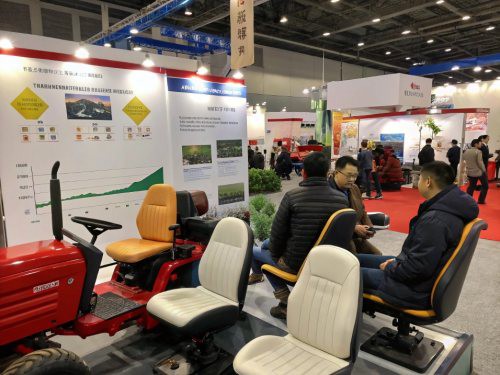
1. Adjust Market Strategies
Diversify market exposure : Expand beyond the U.S. to explore opportunities in Europe, South America, and Southeast Asia.
Strengthen aftermarket presence : Focus on replacement parts, as demand for seat repairs persists even when new machinery sales decline.Tailor product tiers : Develop entry-level, mid-range, and premium seat options to cater to varying regional needs and budgets.
Strengthen aftermarket presence : Focus on replacement parts, as demand for seat repairs persists even when new machinery sales decline.Tailor product tiers : Develop entry-level, mid-range, and premium seat options to cater to varying regional needs and budgets.
2. Drive Product Innovation
Enhance value-added features : Integrate smart technology (e.g., sensors for operator comfort monitoring) and eco-friendly materials (e.g., recyclable or biodegradable components).
-
Optimize cost-efficiency : Design budget-friendly models without compromising durability for price-sensitive markets.
-
Explore cross-industry applications : Extend seat technology to non-agricultural sectors, such as construction or industrial machinery, to diversify revenue streams.
3. Elevate Service Offerings
-
Customization : Provide tailored solutions based on customer preferences, such as adjustable ergonomic designs or climate-specific materials.
-
Strengthen after-sales support : Establish faster response protocols for warranty claims, repairs, and technical inquiries.
-
Technical training : Offer online or on-site training programs to educate customers on proper seat installation, usage, and maintenance.
While the decline in U.S. farm machinery sales signals a challenging environment, Chinese agricultural machinery seat exporters can mitigate risks by diversifying markets, innovating products, and enhancing service capabilities. By focusing on cost-effective, adaptable solutions and building resilience across their operations, companies can position themselves to thrive despite sectoral headwinds.


