How do I maintain my tractor seat?
You invested in a quality seat, but worry about wear. Maintenance keeps seats in top shape. I share tips to protect your seat.
Regular cleaning, covering when not in use, and routine inspections prevent wear. Adjusting components keeps comfort and functionality intact.
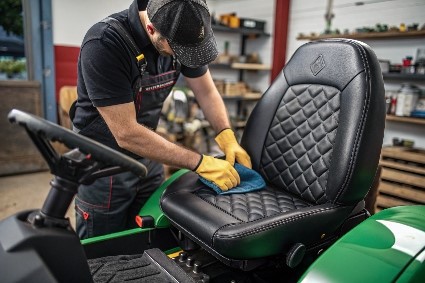
Read on to learn how maintenance extends lifespan and comfort. These tricks will save you time and money.
What is the lifespan of a tractor seat?
You expect years of use. But how long will your seat last? I provide estimates so you can plan replacements.
The average lifespan of a tractor seat ranges from 5 to 10 years. High-quality seats can last up to 15 years with proper care and maintenance.

A seat's lifespan depends on material, exposure, and maintenance. Vinyl seats last 5 to 7 years. Premium PVC and leather seats extend to 10 or more. Exposure to UV rays and moisture shortens life. Indoor storage and covers help. Wear and tear come from weight, shifting, and mechanical stress. Regular cleaning and lubricating moving parts slow this. Operators should avoid using seats as steps, which strain seams and frames. Replacing damaged components like cushions or covers preserves structure. Foam degrades first, often needing replacement every 5 years.
| Material | Lifespan (years) | Care Considerations |
| Vinyl | 5–7 | Cover in sun, avoid cuts |
| PVC/Leather | 10–15 | Regular clean, conditioning |
| Cushions/Foam | 5 | Replace on wear signs |
When I ran a small fleet, I averaged 8 years per seat. My garage kept UV at bay. I swapped foam every 3 years. My costs dropped using this schedule.
Are tractor seat covers necessary?
You wonder if covers are worth the cost. You debate to buy. I explain when and why covers protect your investment.
Seat covers prevent wear and UV damage. They keep original materials intact, reducing replacement costs. Essential for outdoor-stored machines.

Covers protect against dirt and moisture, common in agriculture and construction. They repel spills, grease, and mud. Fabric or neoprene covers add a waterproof barrier. UV-treated covers stop sun fading and cracking-which saves $200 in reupholstery later. Covers also smooth over worn spots to prevent further tearing. They ease clean-up and washing. An added benefit is seasonal comfort: insulation in winter, cooling in summer. While initial cost is $30 to $100, savings on maintenance are substantial. Choose models with tight anchors to banish slack.
| Benefit | Description | Cost Savings |
| UV/Weather Protection | Shields from sun and rain | Extends lifespan |
| Dirt/Moisture Barrier | Guards against spills | Lowers cleaning cost |
| Repair/Replace Savings | Prevents cracking, tearing | Cuts refurbish cost |
On my equipment, covers avoided seat replacement by years. My workers approved for easy cleaning and comfort, so I ordered for every new purchase.
How do I adjust my tractor seat for optimal comfort?
You aim for a comfortable day's work. Bad adjustments hurt your back. I outline how to fine-tune your seat settings.
Adjust seat height, tilt, and lumbar to your body's build. Proper alignment prevents fatigue, boosting productivity and health.

Start by adjusting height. Feet must rest flat on pedals, knees slightly bent. This helps circulation. Next, set tilt. Knees at axle level, with a slight thigh angle relieves pressure on back. Adjust lumbar support to fit lower spine curve. It reduces slouch and backache. Cushions should distribute weight evenly. Slide seat rail for an arm-length gap to steering. Check suspension settings. It should match your body weight for the smoothest ride. Test a variety of adjustments to find the best position. Regularly retune as clothing and conditions change.
| Adjustment | Steps | Benefit |
| Height | Feet flat, knees slightly bent | Improves circulation |
| Tilt and Lumbar | Thigh angle, lumbar curve match | Reduces back strain |
| Suspension | Adjust to weight | Smooths ride |
travel 100 miles on harvesting day and every setting counts. Once I found the sweet spot, my aches faded. I focused more and did more work, feeling great after shift end.